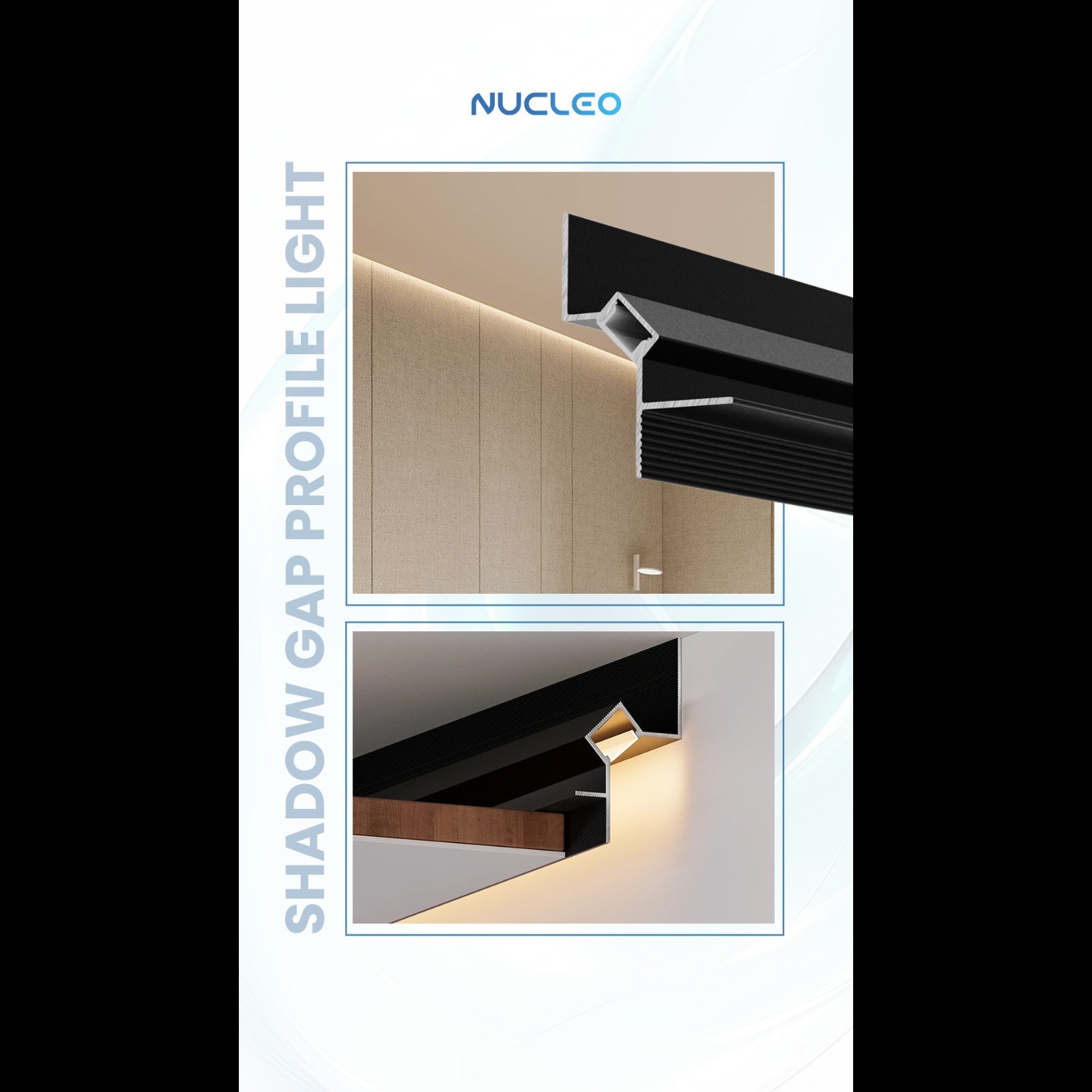
One Window. Then It Closes.

Most lighting and finish decisions on a project can be revisited later β€” a fixture swapped, a paint colour changed, a switch relocated. The XF5 shadow gap isn't one of them. It has to be fixed to the substrate before the plaster or board finish goes on, because that finish is worked up to the profile's edge as part of the same operation. Once that finish is complete, the decision window for adding this detail simply closes.

That's not a sales line β€” it's how the product physically works. Missing the window doesn't mean the shadow gap is off the table forever. It means the job changes from a first-fix step folded into work already happening, to a standalone retrofit that opens up a finished ceiling.

Before plastering, it's a five-minute decision. After plastering, it's demolition. The profile itself doesn't change β€” only the amount of finished work that has to be undone to fit it changes, and that number goes from zero to a full re-plaster and repaint.

The Window, Open and Closed

Before Plastering

The XF5 is fixed to the bare substrate, and plaster or board is worked up to its edge as part of the finishing pass already scheduled. No extra trade visit, no repainting, no disruption to any other finished surface.

After Plastering

The finish along the intended line has to be cut back to expose the substrate, the profile fixed, and the surrounding plaster and paint repaired and matched β€” a standalone job that wasn't in the original finishing schedule.

What Deciding Now Actually Saves

πŸ•“

No Extra Site Visit

Fixed at the same stage as other first-fix work, the XF5 rides along with a trade visit that's already scheduled β€” it doesn't add a step to the programme.

🚫

No Cutting Back a Finish

Deciding before plastering means there's no finished surface to reopen later β€” the substrate is still exposed and ready to receive the profile.

🎨

No Repaint or Colour-Match Risk

A retrofit always risks a visible seam where new paint meets old. Installing before finishing avoids that risk entirely β€” the whole surface is painted once, together.

πŸ’°

Cost Stays the Profile Only

Before plastering, the added cost is the profile and its fixing time. After, it's the profile plus demolition, disposal, and re-finishing β€” for the same physical result.

πŸ”Œ

LED Decision Can Still Wait

The profile can go in now with the channel left empty β€” the LED strip decision doesn't have to be made on the same day, only the profile does.

πŸ“¦

Stock Available Pan-India

Nucleo supplies the XF5 pan-India β€” confirm quantity and lead time as soon as the detail is agreed, so it's on site in time for the plastering trade.

If your ceiling isn't plastered yet, this is the moment. If it already is, the detail is still achievable β€” it just needs to be scoped as a retrofit rather than a first-fix item. Either way, the sooner it's decided, the fewer surfaces need reopening.
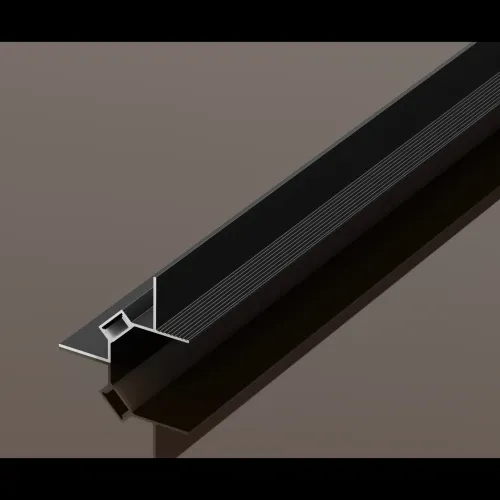
Where the Decision Applies

🏠
New-Build Residential
πŸ—οΈ
Full Renovation Projects
🏨
Hotel Fit-Outs Pre-Handover
🍽️
Restaurant Build-Outs
🏒
Office Fit-Outs
πŸͺœ
Staircase & Circulation Areas
πŸ›οΈ
Retail Store Build-Outs
πŸ›οΈ
Hospitality Refits

Frequently Asked Questions

What happens if I decide to add the XF5 after the ceiling is already plastered?
It's still possible, but the work changes completely. Instead of fixing a profile to a bare substrate and finishing up to its edge, the existing plaster or board along the junction has to be cut back, the profile fitted, and the surrounding finish repaired and repainted around it. What would have been a simple first-fix step becomes a localised demolition and re-finish job.
Is it too late to add a shadow gap if my ceiling finish is already complete?
Not too late, but significantly more disruptive and costly than doing it at first fix. The plaster or board has to be opened up along the intended line, which usually means dust, repainting, and possibly disturbing finished flooring or furniture below. If the ceiling isn't finished yet, this is the moment to decide β€” not after handover.
How does retrofitting a shadow gap compare in cost to specifying it before plastering?
Specifying the XF5 before plastering adds only the cost of the profile and its fixing time, folded into work that's already happening. Retrofitting after the finish is complete adds demolition, disposal, replastering, and repainting on top of the profile cost β€” work that wouldn't otherwise be needed at all. The difference is in the labour and disruption, not the profile itself.
Can I install the XF5 profile now and add the LED strip later?
Yes. This is a common approach β€” fix the profile before plastering to lock in the recessed line, then decide on the LED strip separately once the budget or design is finalised. The channel stays ready to accept a strip at any point after the profile and finish are complete, with no need to disturb the plaster again.
What's the risk of leaving the shadow gap decision for the final walkthrough?
By the final walkthrough, the plastering and painting are typically complete, which means the low-disruption window for fitting the XF5 has closed. Any decision at that stage has to go through the retrofit route β€” cutting back finished surfaces β€” rather than the straightforward first-fix installation. Deciding earlier, while the substrate is still exposed, avoids that entirely.
Does Nucleo hold stock of the XF5 so there's no delay once I decide to order?
Nucleo supplies the XF5 pan-India and can advise current stock and lead times for your required quantity. Since the profile needs to be on site ahead of the plastering trade, it's worth confirming quantities and delivery timing as soon as the detail is finalised, rather than waiting until plastering is about to start.